
Simple DIY Roof Repair Tips to Fix Minor Leaks
Dealing with a leaking roof can be stressful, but addressing minor leaks promptly can help prevent further damage to your home. For many homeowners, the idea of repairing a roof may seem daunting, but with the right tools and a bit of know-how, some roof repairs can be done yourself. The first step in fixing a roof leak is locating the source of the problem. If the leak is visible from inside the house, it is easier to track where the water is entering. However, leaks can sometimes be tricky, with water traveling down beams or walls before it becomes noticeable. In such cases, go up to the attic or the top floor and check for any signs of water stains or mold growth on the ceiling. Once you have identified the area where the leak is originating, the next step is to assess the damage to determine whether it is something you can handle or if professional help is needed.
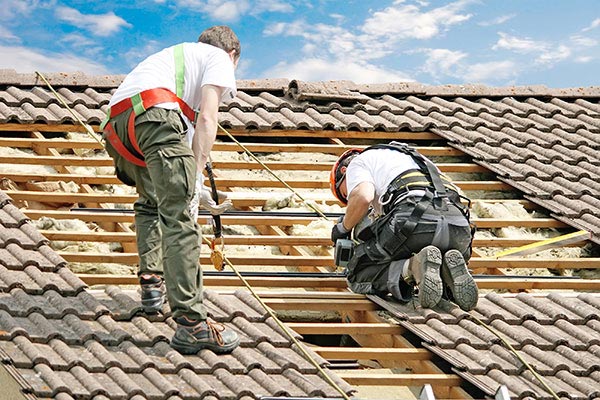
If the leak is coming from missing or damaged shingles, a DIY repair is usually achievable. Start by ensuring you have the necessary materials – roofing cement, a putty knife, roofing nails, a hammer, and some replacement shingles. If the shingles are curled, lift them gently with a flat bar and apply roofing cement beneath them. Press the shingles back into place and add extra roofing cement around the edges to ensure a tight seal. For shingles that are cracked or broken, you will need to remove the damaged ones and replace them with new ones. When placing the new shingle, make sure it lines up with the surrounding shingles and is nailed securely into place. The key is to prevent any gaps that could allow water to penetrate the roof again. If the leak is in the flashing around vents, chimneys, or skylights, it may be more complicated. Flashing is typically metal or plastic, and over time, it can deteriorate or shift out of place, leading to leaks. In this case, Extra resources inspect the flashing for any cracks or holes and apply roofing cement over these areas to seal them temporarily.
For more permanent repairs, you might need to replace the flashing, which can involve removing the old material and installing new flashing over the affected area. When replacing or sealing flashing, make sure it is properly secured to prevent wind from lifting it and causing more leaks. Another common problem with leaks is clogged gutters, which can lead to water pooling on the roof. Ensure that your gutters are clean and free of debris so water can flow freely and prevent pooling. If the water is unable to drain properly, it can cause damage to the roof, especially around the edges. In addition, check for any standing water or ponding on the roof itself, which may indicate an issue with roof slope or drainage. For roofs made of flat material, the repair may involve sealing small cracks or holes with roof sealant or using a rubberized roofing membrane. These materials provide a waterproof layer over the existing roof surface. When applying roof sealant or a membrane, ensure the surface is clean and dry for the best adhesion.

7 Costly Mistakes to Avoid When Hiring a Land Survey Company
Transform the Space with Elegant and Functional Storage Design Ideas
Is an Air Source Heat Pump the Right Heating Solution for Your Home?
About Author
