
Picking the Perfect Heavy Machinery for Your Construction Site
Choosing the right heavy machinery isn’t just about picking the biggest or newest equipment. It’s about making smart choices that keep your project on track, within budget, and—most importantly—safe. Let’s break down exactly what you should consider, step by step.
- Get Clear on Your Project’s Needs
Before you even start looking at machines, ask yourself:
– What’s the size of my project?
Is it a small residential build or a massive commercial job?
– What’s the deadline?
Tight timelines might mean you need faster or more efficient equipment.
– What tasks need doing?
Think: digging, lifting, moving materials, grading, etc.
– How much space do I have?
Tight spaces call for compact equipment; open sites can handle larger machines.
Pro Tip:
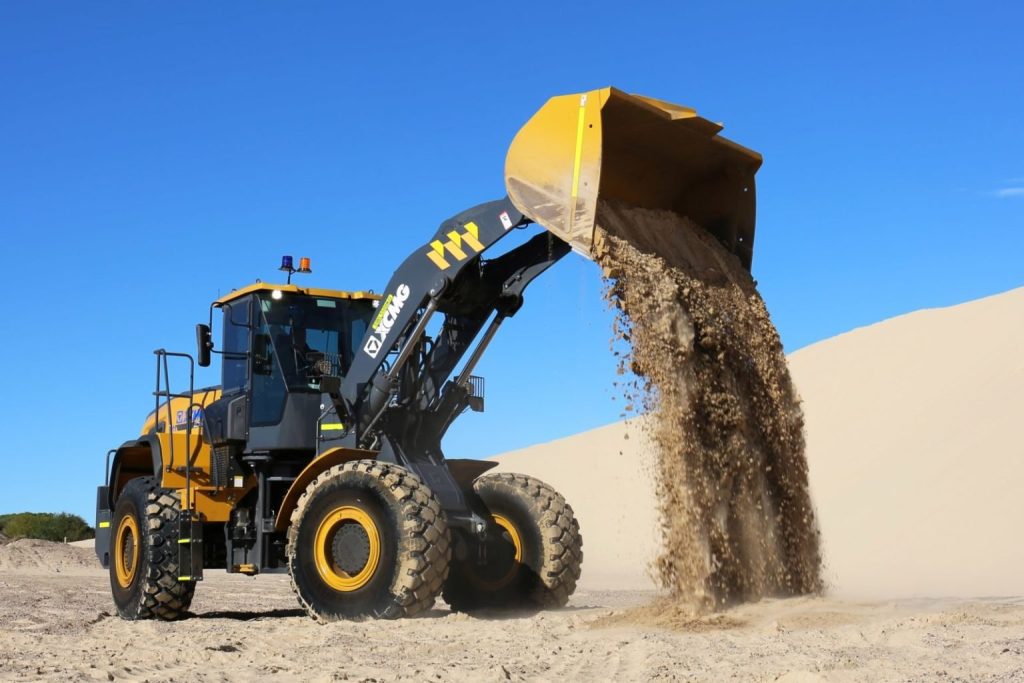
If you’re looking for the right equipment, exploring options like XCMG in Melbourne can help you match your machinery to your actual needs. This keeps things running smoothly and helps you stick to your budget and schedule.
- Check Out Your Site Conditions
Every site is different, and those differences matter! Here’s what to look at:
– Soil and Ground:
Is it rocky, sandy, muddy, or firm?
– Terrain:
Are there slopes, hills, or flat ground?
– Obstacles:
Any trees, buildings, or underground utilities in the way?
– Weather and Drainage:
Is the site prone to flooding or mud?
Why it matters:
The right machine for a muddy slope isn’t the same as for a paved, flat lot. Picking equipment that can handle your specific site prevents delays and accidents.
- Dig Into Machinery Specs
Not all machines are created equal! Here’s what to look at:
Key Performance Metrics
– Power & Efficiency:
Check horsepower and fuel use—more isn’t always better if it costs a fortune to run.
– Load Capacity:
How much can it lift or carry? Make sure it matches your needs.
– Reach:
Can it get to those hard-to-reach spots?
– Cycle Times:
How quickly can it do each job?
Why It Matters
Choosing a machine that’s too small means more trips and wasted time. Too big? You might not even fit it on your site—or your budget!
- Don’t Forget Budget and Cost-Effectiveness
Nobody wants to blow the budget. Here’s how to stay on track:
– Purchase price vs. long-term costs:
Sometimes, a pricier machine is cheaper in the long run.
– Maintenance & Repairs:
Some machines are easier (and cheaper) to keep running than others.
– Lease or Buy?
Leasing can be a great option for short-term use.
– Total Cost of Ownership:
Factor in depreciation, downtime, and resale value.
Tip:
Ask for a full breakdown from your supplier so you know exactly what you’re signing up for.
- Look for Versatile, Multi-Tasking Machines
Why buy three machines when one will do?
– Attachments:
Can you add different buckets, augers, or hammers?
– Switching Tasks:
How quickly and easily can it change functions?
– Space-Saving:
Great for tight sites or limited budgets.
Example:
A skid steer with multiple attachments can dig, lift, and grade—all without switching machines.
- Safety First—Always
Keeping your crew safe (and staying on the right side of the law) means you need:
– Up-to-date safety features:
Emergency stops, alarms, anti-slip surfaces, etc.
– Compliance:
Make sure everything meets local and federal standards (think OSHA, ANSI).
– Protective Structures:
ROPS, FOPS, and all those other acronyms that stop things from falling on your crew.
Quick Check:
Ask for the machine’s safety certifications and check maintenance records.
- Maintenance and Longevity Matter
Want your investment to last? Here’s what to do:
– Regular Inspections:
Daily checks for leaks, cracks, and wear.
– Scheduled Servicing:
Follow a set plan—don’t just fix things when they break!
– Operator Training:
Trained people make your machines last longer and work better.
Pro Tip:
Keep a logbook for every piece of equipment. It saves headaches later!
- Embrace New Tech!
Modern construction equipment is smarter than ever:
– Smart Systems:
IoT, telematics, and onboard diagnostics give you real-time info on machine health.
– Automation:
Some machines can practically run themselves (think GPS-guided grading).
– Remote Monitoring:
Keep tabs on your fleet from your smartphone or laptop.
Bonus:
These features often mean less downtime and lower repair bills.
- Talk to the Pros
Don’t go it alone! Reach out to:
– Industry Experts:
Their advice can save you from an expensive mistake.
– Suppliers and Dealers:
They can suggest the best fit for your needs and might even have demo units.
What to Ask:
– Maintenance requirements
– Training support
– Tech features and upgrades
– Real-world performance on similar projects
- Make Your Final Choice—and Train Your Team
Once you’ve narrowed it down:
– Double-check specs, safety, and compatibility with your other equipment.
– Make sure the supplier can support you with service and spare parts.
– Set up thorough operator training—covering everything from controls to safety and maintenance routines.
Ongoing Training:
Regular refresher courses keep everyone sharp and reduce accidents.
The Bottom Line
The right heavy machinery makes your project faster, safer, and cheaper. Take the time to assess your needs, check out the latest tech, and get advice from the experts. And remember: a well-trained crew and well-maintained machines are the secrets to a job well done! Need help choosing? Don’t hesitate to reach out to local suppliers or industry consultants—they’ve seen it all and are there to help you succeed.

The Secure Fabrics Firmly with Easy-to-Use Stitching Clamps
Travel Nursing Jobs Offer New Beginnings And Unforgettable Life Experiences
Detox Your Scalp – Why Head Spa is the Next Big Thing in Wellness
About Author
